Table of Content
When planning a new website, businesses often compare different development approaches to determine what will deliver the best performance, scalability, and flexibility. One comparison that is becoming more common is Figma-based development versus traditional PHP-based websites.
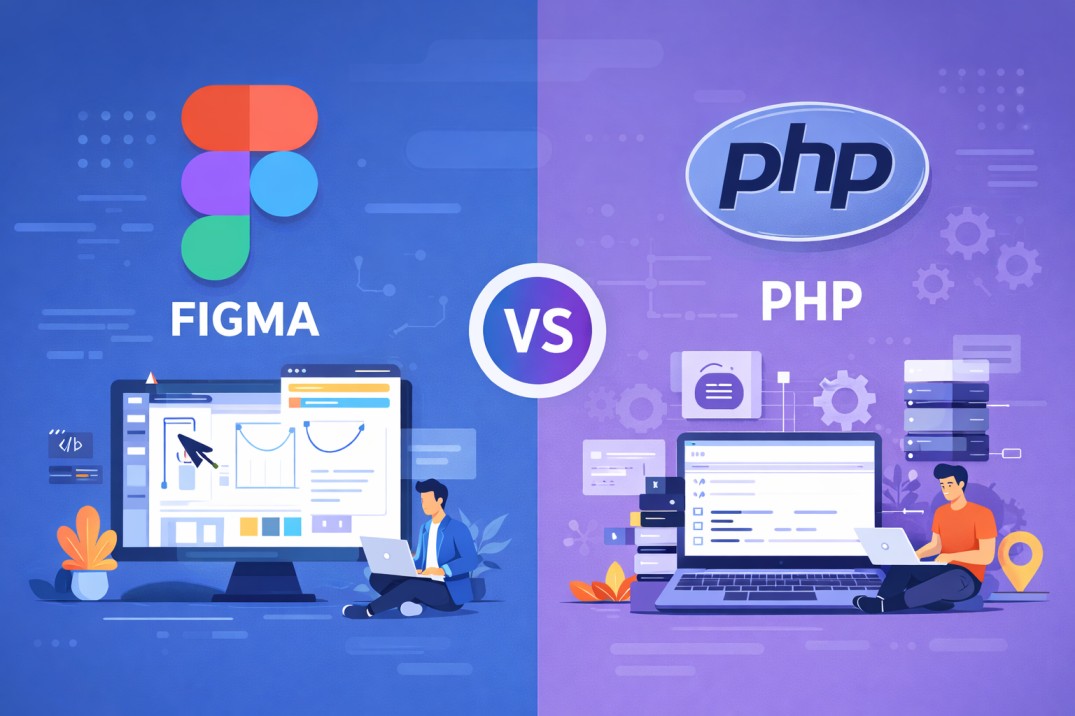
At first glance, Figma and PHP serve very different purposes. Figma is a design tool used to create user interfaces, while PHP is a server-side programming language used to build dynamic websites. However, the comparison usually refers to the process of converting Figma designs into custom-coded front-end experiences versus building a website using PHP-based systems like WordPress or custom frameworks.
In many cases, businesses exploring this approach are also evaluating
Figma to HTML conversion for performance
, which focuses on transforming designs into clean, optimized, and responsive front-end code. This method prioritizes speed, efficiency, and pixel-perfect implementation while allowing seamless integration with backend technologies like PHP.
Compared to other solutions, many companies also look at a
Figma vs page builders comparison
to understand how custom-coded development stacks up against template-based platforms. This helps clarify the trade-offs between flexibility, performance, and ease of use.
PHP-based development, on the other hand, is widely used to create dynamic, database-driven websites. It is highly flexible and supported by a large ecosystem, making it a strong choice for content-heavy websites, e-commerce platforms, and applications that require user interaction and data processing.
One of the biggest differences between these approaches is performance. Websites built from Figma designs using clean front-end code tend to load faster because they avoid unnecessary scripts and heavy dependencies. In contrast, PHP-based systems, especially when combined with multiple plugins, can introduce performance bottlenecks if not properly optimized. This is why many businesses also consider
website speed optimization strategies
when evaluating their development approach.
Another important factor is scalability. Figma-based development allows you to build a lightweight front-end that can be paired with any backend technology, including modern frameworks or APIs. PHP, while powerful, can become more complex as projects grow, especially if the architecture is not well planned.
Customization is also a key consideration. With Figma-based development, every element is built from scratch, ensuring full control over the design and user experience. PHP-based platforms may require additional customization to achieve the same level of precision. Many businesses comparing development approaches also explore
PSD to HTML vs WordPress
to better understand how different workflows impact flexibility and performance.
If your goal is to build a high-performance website with complete design control, investing in a professional
Figma to HTML conversion service
is a strong choice.
That said, PHP remains a reliable and effective technology for building dynamic applications and content-driven websites. The most effective approach often combines both—using Figma for design and front-end development, and PHP for backend functionality.
At Techiosos, we help businesses choose the right development approach based on their performance goals, scalability needs, and long-term growth strategy.
Understanding how Figma and PHP fit into modern web development will help you make better decisions and build websites that perform efficiently in 2026 and beyond.

I am responsible for creating a sales funnel, attracting potential customers, and converting them into actual buyers.
Couldn't find what you were looking for?
Let us know how we can help!